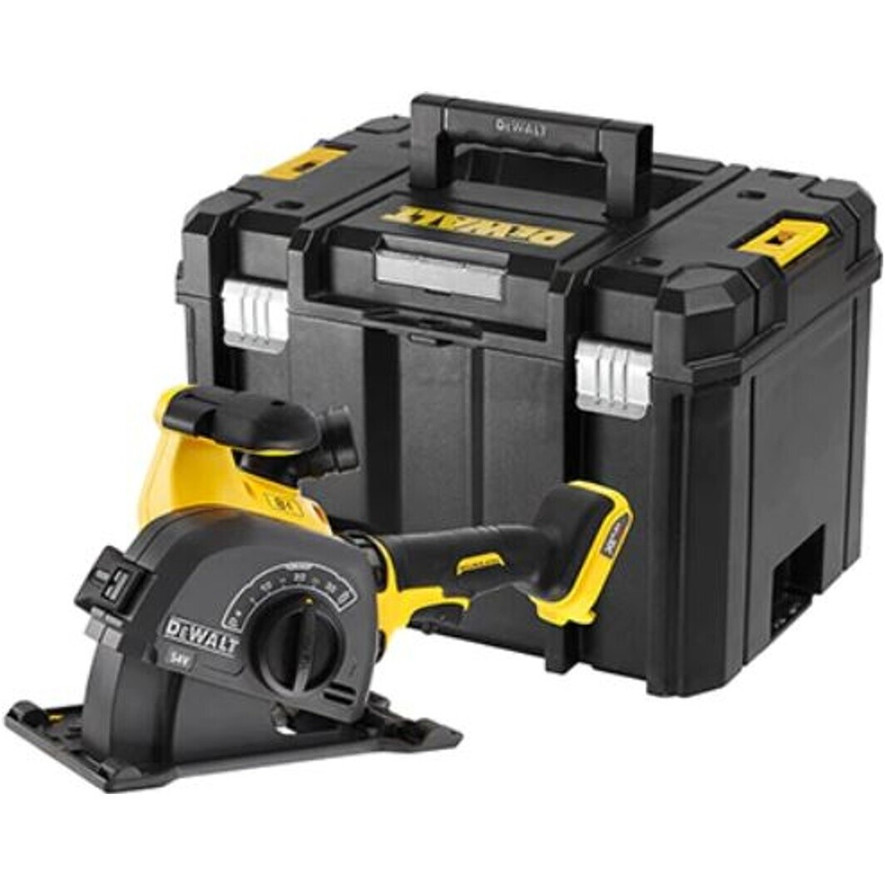
Wall Chaser Test: A Comprehensive Guide to Performance and Efficiency
Wall chasers have actually ended up being essential tools in modern-day construction and renovation jobs, developed to develop channels in walls for electrical wiring, piping, or ductwork. As DIY enthusiasts and professional specialists seek effectiveness and precision in their work, it's important to evaluate the performance of these tools through an extensive wall chaser test. This blog site post dives deep into the mechanics, performance aspects, and outcomes of wall chaser tests, offering insights that would benefit anyone considering this tool for their tasks.
What is a Wall Chaser?
A wall chaser is a specific power tool that allows users to create narrow slots or grooves in walls. Generally, these slots were sculpted by hand, however wall chasers simplify this procedure considerably. They work by using diamond blades to cut through masonry, concrete, or brick, making it possible for seamless installations of electrical avenues and piping.
Functions of Wall Chasers
Before we dive into the wall chaser test itself, it is important to understand the features that separate these tools.
| Feature | Description |
|---|---|
| Blade Size | Usually varies from 110mm to 230mm |
| Cutting Depth | Adjustable, usually approximately 30mm |
| Power Rating | Frequently between 1400W to 2400W |
| Weight | Varies, usually from 3 kg to 6 kg |
| Dust Extraction | Numerous designs include dust ports or integrated extraction systems |
| Tool Speed | RPM ranges from 8,000 to 12,000, ensuring quick, tidy cuts |
The Importance of Wall Chaser Testing
When thinking about a wall chaser for purchase or use, comprehending how it determines up against its competitors in real-life scenarios is paramount. Consequently, wall chaser tests intend to examine:
- Cutting Efficiency
- Reduce of Use
- Dust Management
- Toughness
- Noise Levels
Cutting Efficiency
Among the most critical elements of a wall chaser is its capability to produce tidy and exact cuts. During testing, the following specifications are kept an eye on:
- Speed of Cutting
- Quality of Cut (Smooth vs. Rough)
- Consistency over Multiple Cuts
Results can differ depending on the type of wall product being cut. For example, concrete may take longer to cut compared to drywall.
Alleviate of Use
An user-friendly wall chaser will have functions that assist in operation, consisting of:
- Weight Balance: Better balance implies reduced tiredness throughout extended use.
- Grip Design: Ergonomically developed grips decrease pressure on the hands.
- Adjustable Depth Control: Provides versatility for differing job requirements.
Dust Management
Effective dust management is crucial in preserving a tidy workplace and ensuring user health. Functions assessed in this classification consist of:
- Built-in Dust Extraction Systems
- Performance of Dust Collection
- Quantity of Dust Produced During Operation
Sturdiness
Wall chasers must be robust sufficient to withstand the rigors of building work. Evaluating will involve:
- Material Used in Construction
- Performance under Heavy Use
- Endure Blades and Components
Noise Levels
Power tools can produce significant sound, so determining decibel levels throughout operation is vital. Tools fulfilling market standards for noise would be more effective to guarantee a much safer working environment.
Wall Chaser Test Results Overview
Here's a summed up table of a hypothetical wall chaser test carried out on 4 popular models offered in the market:
| Model | Cutting Efficiency | Alleviate of Use | Dust Management | Toughness | Sound Level (dB) |
|---|---|---|---|---|---|
| Model A | Outstanding | Great | Fair | Outstanding | 85 |
| Model B | Great | Outstanding | Exceptional | Great | 78 |
| Model C | Fair | Fair | Great | Fair | 90 |
| Model D | Outstanding | Good | Great | Excellent | 82 |
Analysis
- Design A shines in cutting performance and sturdiness however produces a greater sound level.
- Design B is an ergonomic choice with exceptional dust management.
- Design C, while less reliable overall, might match users with periodic requirements.
- Design D provides a balance of efficiency and noise reduction.
FAQ on Wall Chasers
1. Can a wall chaser be utilized on drywall?Yes, wall chasers can
be used on drywall, however care should be required to avoid overcutting, which can lead to uneven edges. 2. How deep can a wall chaser cut?Most wall chasers
can cut up to 30mm deep, however this varies based on the design. 3. Do Akku Set 18v 5ah Angebot need specific blades for various materials?Absolutely! Diamond bladesare recommended for masonry and concrete, while specialized blades are available for softer products like drywall. 4. Is dust management critical when using a wall chaser?Yes, efficient dust management is important for health and can impact
presence and the total work environment. 5. How do I keep my wall chaser?Regular cleaning and ensuring blades are sharp will assist keep performance. Shop in a dry place to prevent rust and damage.
The wall chaser stays an important tool for modern-day building and construction and renovation tasks. By comprehending its features, performance qualities, and necessary testing criteria, users
can make educated choices when choosing a wall chaser that matches their requirements. The insights collected from efficiency screening not only improve the efficiency of the tool but likewise contribute to more secure and more efficient task execution. If you're considering investing in a wall chaser, keep in mind to weigh all the functions and test results we have actually gone over. Delighted chasing!